We still have time to mend our ways. Let us include the environment into our development agenda. Else the loss will be irreversible.
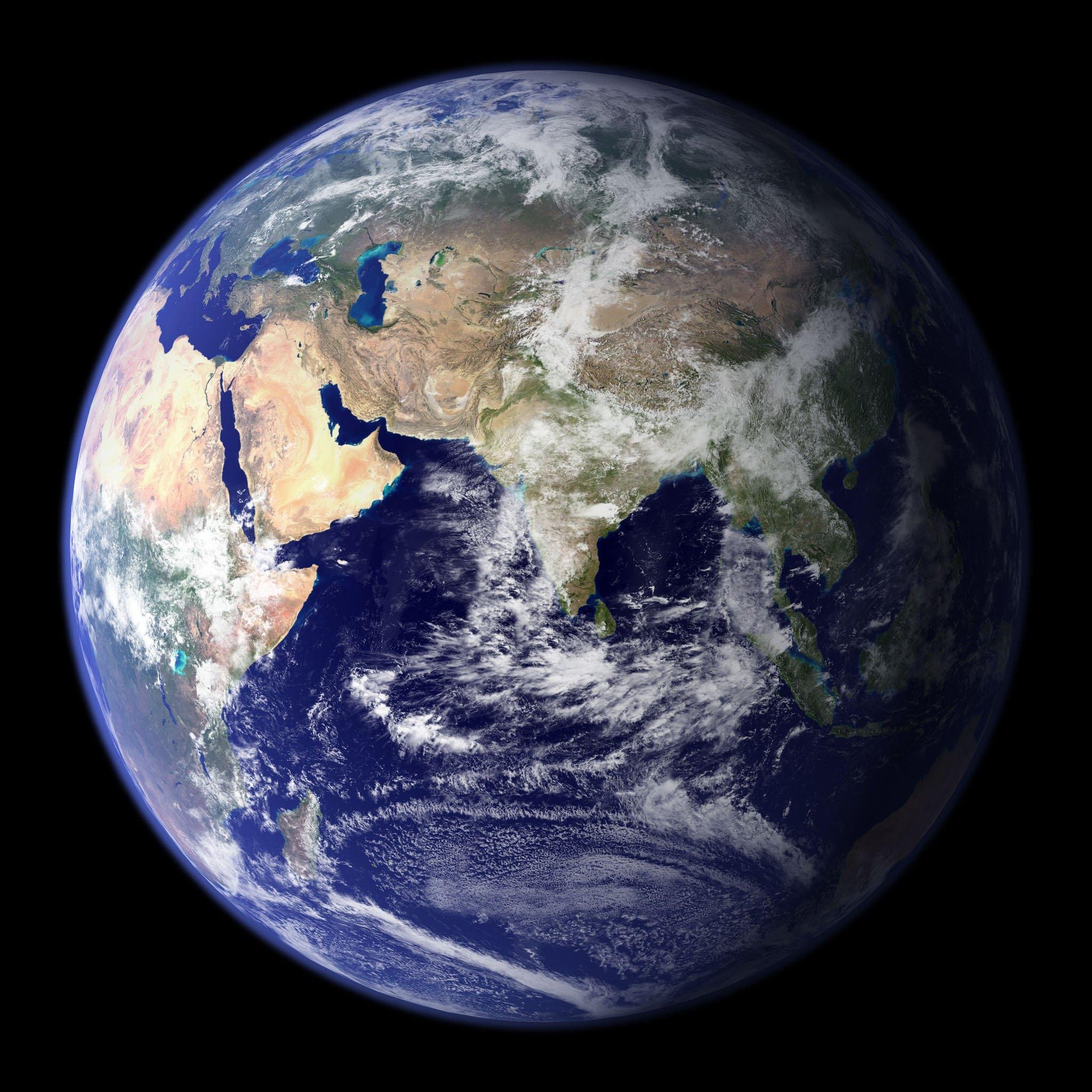
The danger bells have already started ringing on the global warming front. We are seeing the planet temperature hottest since 125,000 years! This summer India had 95 of the world’s hottest cities, with temperatures breaking 46 deg C and headed to 50 deg C. There are signals that we may be near a few tipping points of some ecosystems that could speed up the process and set the planet on the road to a 3-4 degree rise in temperature by the end of the century. This could spell danger for the most basic of life requirements – food and water, besides a rise in droughts, floods, heat waves and eventual collapse of some ecosystems.
Intensifying heat and rainfall extremes, melting Himalayan glaciers, more powerful cyclones in the Arabian Sea, and rising sea-levels have been predicted for coming decades by a new peer-reviewed study, authored by a team of climate scientists including Intergovernmental Panel on Climate Change (IPCC) authors. The paper notes that India’s average temperature has risen by nearly 0.9°C in the last decade (2015-2024) with the hottest day of the year warming by 1.5-2°C in Western and Northeast India since the 1950s.
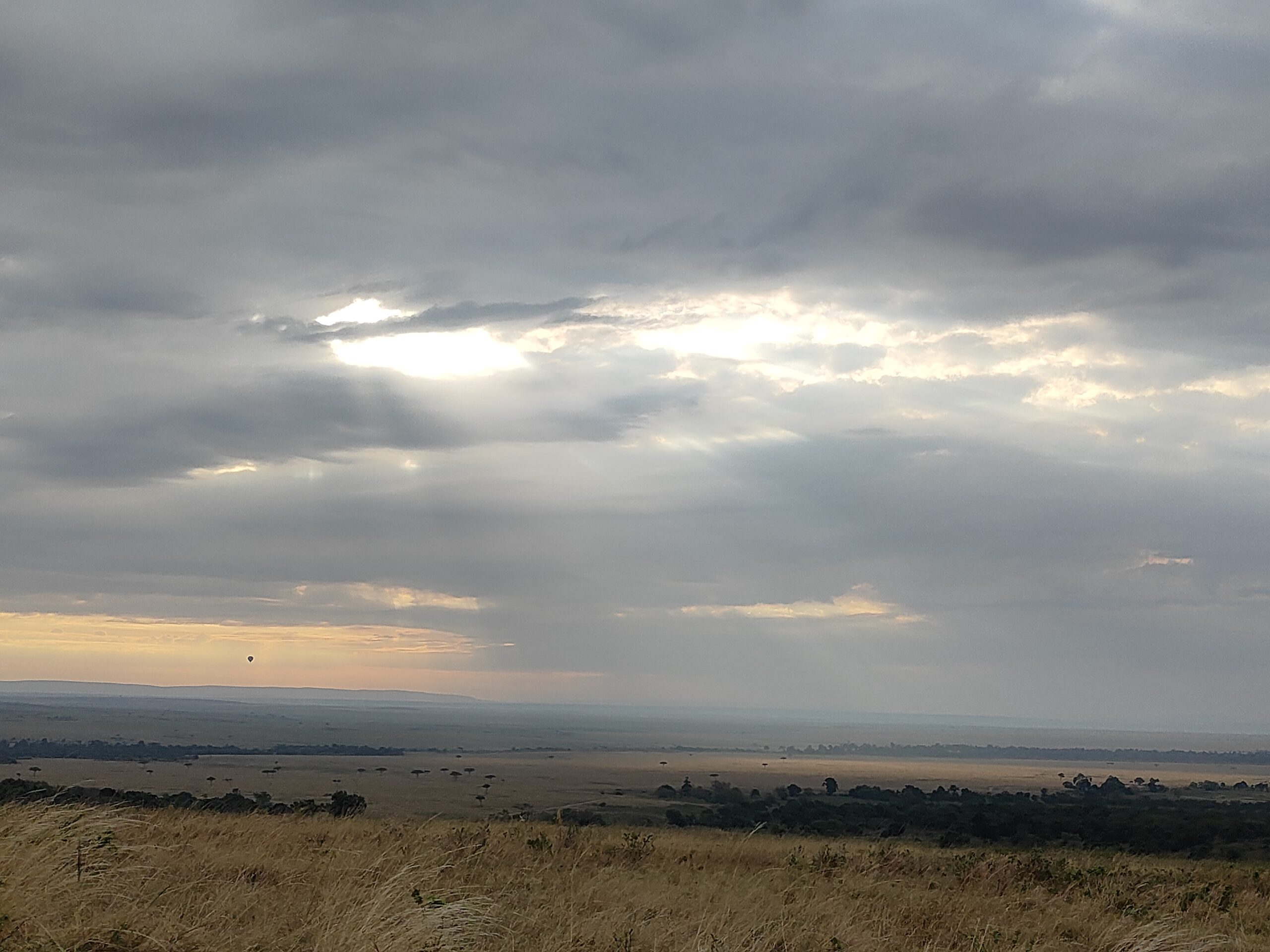
The warming of the Indian Ocean is leading to dramatic increase in marine heatwaves, which are projected to occur for nearly 200 days per year by 2050, from merely 20 days per year in recent decades. As a result, there is a grave threat to marine ecosystems, including coral reefs and fisheries, which are vital for the livelihoods of millions.
The FAO’s SOFA 2025 (Sate of Food and Agriculture) report warns that India suffers the world’s highest yield losses from human-driven land degradation, including erosion and nutrient loss. According to the same report, agricultural expansion remained the primary driver of global deforestation, accounting for nearly 90 per cent of forest loss. Around 33 percent of soil in the country is degraded from various reasons like erosion, excessive fertiliser use and bad cultivation practices. Such degraded soil has less carbon content and needs even more fertilisers which add to the emissions.
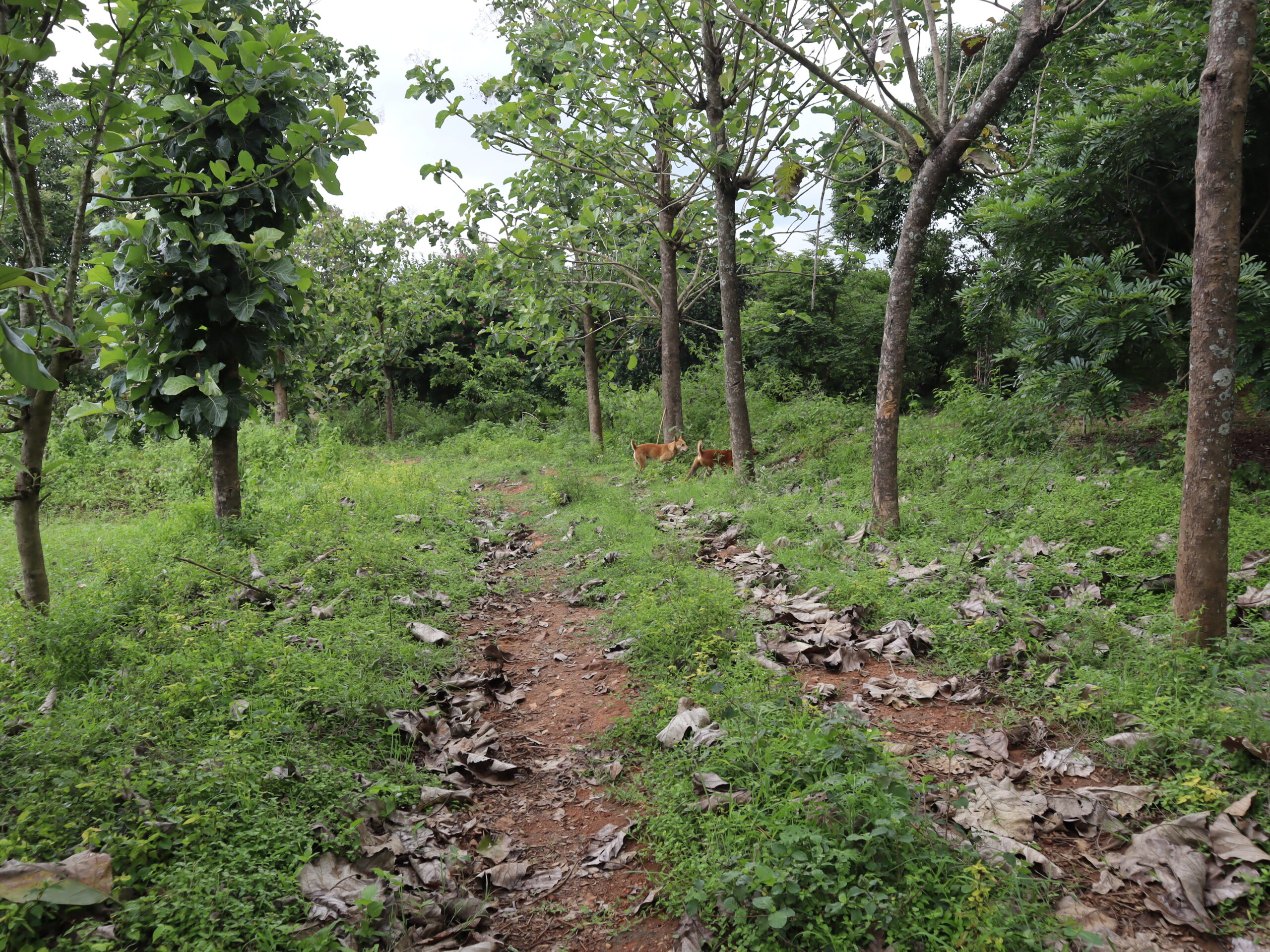
India has the second highest levels of deforestation globally, having lost 384,000 ha of forests between 1990 and 2000, and 668,400 ha between 2015 and 2020. In 2024 alone, India lost 150,000 hectares of natural forest, resulting in approximately 68 million tonnes of CO₂ emissions.
Between 2001 to 2025 it lost 2.4 Mha (2,400,000 ha) of tree cover resulting in causing 1.3 gigatonnes (billion) of CO2 emissions.
Forests are major carbon sinks and also give us the oxygen we need. They are home to several hundred species of animals, birds and insects. Loss of forests as well as fragmentation from various development projects (roads, mines, etc) affect the wildlife as they lose habitat and food availability reduces. The animals start venturing out in search of food and water.
About 1.3 million hectares of forest land (13,000 sq kms) stands encroached as of 2024, across 20 states and five Union Territories, according to the environment ministry. Encroachment by farmlands have seen rise in human wildlife conflicts, resulting in deaths on both sides. Over 600 people and 450 elephants lose their lives each year during crop-raiding in Asia, with most cases coming from India and Sri Lanka. Changes in temperature and rainfall (from climate change) are the major causes of human-wildlife conflict in more than 80 per cent of the case studies in Asia and Africa. Delayed monsoons or extreme droughts drive animals to seek access to food and water which they often find near human settlements.
Equally disturbing is the bogey of development eating into forest space. In the last five years, the government has processed 8,731 proposals and approved the diversion of close to 100,000 hectares of forest land for non-forest activities under the Forest Conservation Act, 1980. The number of proposals recommended inside wildlife sanctuaries and national parks is 881, of which 421 were recommended in a year.
When governments view the environment as expendable asset, any development cannot assure sustainable gains for anyone. And it is left to the few who dare to fight against environmental destruction, like Girish Achar of Shimoga who was able to prevent encroachment of 3 lakh acres of forest lands, mainly by filing suits against offenders (Deccan Herald). By filing a suit, this commoner with an abiding love for the forests, got a move to denotify over 9900 ha forest lands, stayed.
In Chattisgarh more recently, efforts by the forest department to evict over 150 illegal encroachers saw mobs attack the team. Satellite imagery had revealed that around a lakh trees were felled to make way for land cultivation in 102 ha of the core wildlife area of Udanti-Sitanadi tiger reserve.
One of the primary reasons for deforestations globally is cattle rearing which has resulted in 2,105,753 hectares of annual deforestation to clear areas for growing cattle fodder. According to the FAO, more than one third of global land area (4800 mha) today is agricultural land, catering to the growing human and cattle population. Much of this has come at the cost of natural wilderness.

Also, when the forests go, so the rivers. Forests help regulate water cycle, sustain water supply and maintain water quality (being natural filters.) Forested watersheds supply around 75 percent of accessible freshwater and provide water to 90 percent of the world’s 100 biggest cities, says FAO, adding that 40 pc of watersheds world over have lost their tree cover and 75 pc forests are not managed for water conservation.
Today in India around 70 percent of surface water is unfit for consumption. Around 40 million litres of wastewater enter our rivers, lakes and water bodies every day! Water pollution also is bad for crops. A study warned that 21 major cities in India will run out of groundwater by 2030, affecting nearly 40% of the population.
Sand is the second most consumed resource after water globally. 500 million tons of sand is extracted annually in India alone, according to UNEP. Driven primarily by urbanisation, sand is used mostly in constructions, to make concrete, cement and glass, electronics and cosmetics, with data centres and solar farms being niche areas with extra demand.
Excessive mining sees riverbeds lowered and the banks collapse, water table drops, and the organisms living in the river are affected. With sand lost, the river’s capability to soak the water is gone. River channels get broken into a patchwork of excavated pools, compacted access tracks, and sand mounds. Rivers no longer flow as single connected systems. Mining-affected rivers experience sharply degraded water quality. Continual sand mining can substantially transform river behaviour.
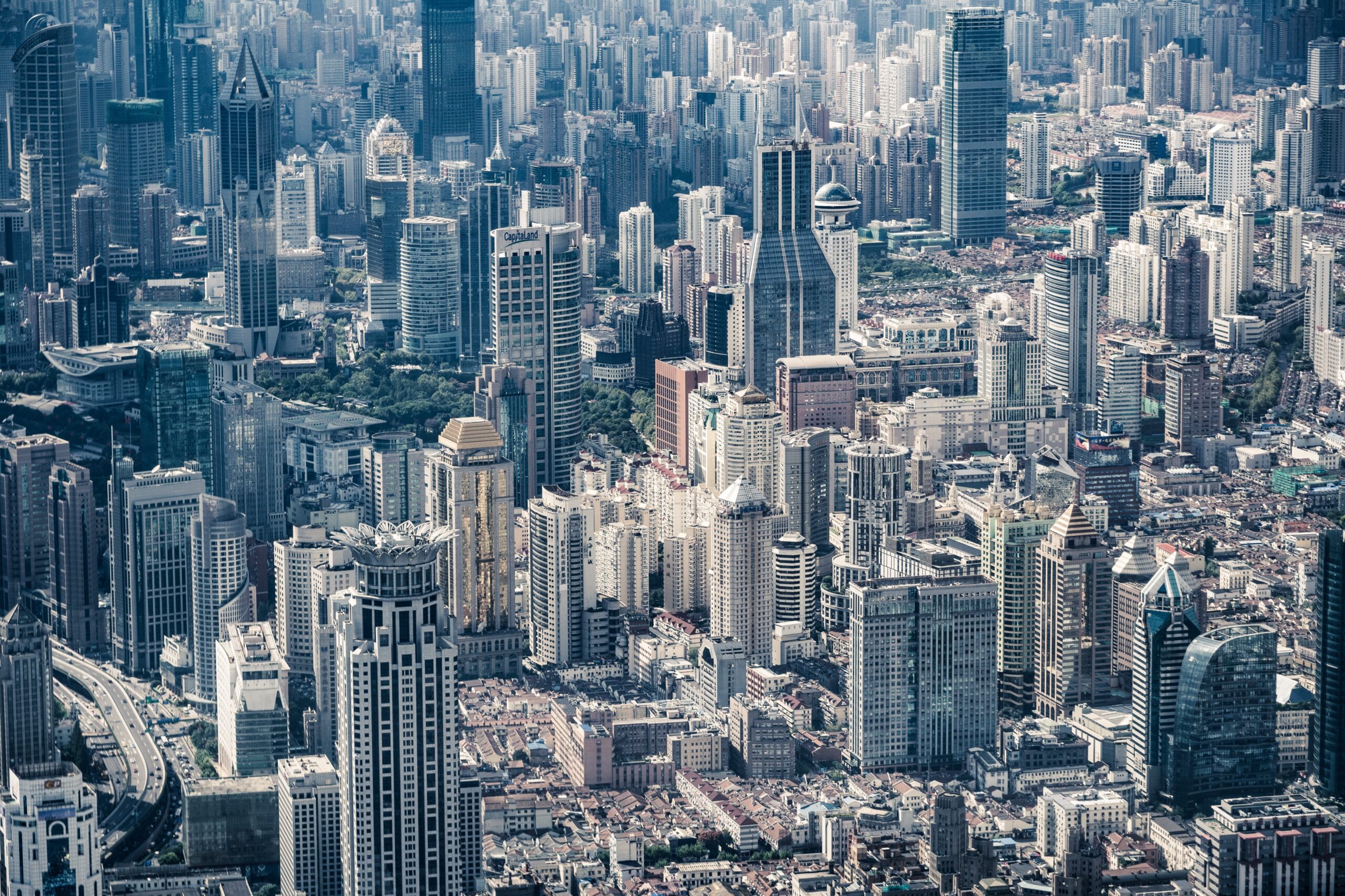
Around 33 percent of India’s population lives in its cities but that data is according to the 2011 census. Things have changed since then and this number is expected to be much more today. Globally, over 45 pc live in cities. Here, the main issue is that of waste management and concretisation.
Around 277 million tonnes of solid waste is generated in India, every year. By 2030, it will reach 387.8 million tonnes and will more than double the current value by 2050. It is only 5% of the total waste collected that is recycled, 18% is composted, and the remaining goes to landfills. Mumbai’s Kanjurmarg landfill ranks 12th globally in methane leaks, according to a recent study. With an hourly emission of 4.9 tonnes of methane, its contribution to climate change is that of one million SUVs! Rising to 50 metres height, it takes the load of 6200 tonnes of daily waste.
India currently produces more than 25,000 tonnes of plastic waste every day on average. Ten rivers in the world account for 90 percent plastic debris leakage into the seas and oceans. Among these are Indus, Ganga and Brahmaputra.
As villages grow into towns and towns to cities and cities explode with population, this waste problem becomes enormous. Plastic has replaced materials like earthenware and tin due to its convenience and durability. Tiny plastic sachets sell anything from gutka to shampoo to sauce and sanitiser! When discarded they break down into microplastics in soil or water and eventually enter our bodies through the food chain. They have been detected in various parts of the human body.
India has already lost 90 pc of the area under its four major biodiversity hotspots — the Himalayas, the Western Ghats, the Sundaland (including the Nicobar Islands), and the Indo-Burma region. Within these hotspots, 25 species have become extinct in recent years. Over 12 percent of the 1,212 animal species being monitored in India by the International Union for Conservation of Nature (IUCN) Red List are classified as endangered. Due to water contamination, 16% of India’s freshwater fish, molluscs, dragonflies, damselflies, and aquatic plants are threatened with extinction.
Ubiquitous presence of pesticides from farms to homes (pest control, paints, incense sticks, spice powders) to temples and storehouses has affected overall environment and human health. Death of children in a home where chemical pesticides were used for pest control is proof of how it has pervaded every corner.
Around 45 percent of the land has been degraded by overuse of pesticides. The pesticide runoff sees the effect on non-target species as well, with many rivers and lakes carrying this runoff. Over 40 percent of food items contain pesticide residues, from milk to water. Chemical pesticides not only kill pests but also non-targeted organisms which are beneficial to the ecosystems. Like earthworms, bees and butterflies. Herbicide spraying reduces the diversity of plant species. Continual exposure to pesticides has been shown to cause cancer, respiratory and neurodegenerative diseases.
The FAO’s SOFA 2025 report warns that India suffers the world’s highest yield losses from human-driven land degradation, including erosion and nutrient loss. According to the same report, agricultural expansion remained the primary driver of global deforestation, accounting for nearly 90 per cent of forest loss. Around 33 percent of soil in the country is degraded from various reasons like erosion, excessive fertiliser use and bad cultivation practices. Such degraded soil has less carbon content and needs even more fertilisers, which add to the emissions.
There is more that is not right with our treatment of the environment. Write in to us about what you see as the major issue around your region. Let us put our heads together and find the solutions, which actually abound. There are so many people doing the good work, even if in small bits and pieces. We need to disseminate this far and wide. So that life on this beautiful planet can thrive for years.
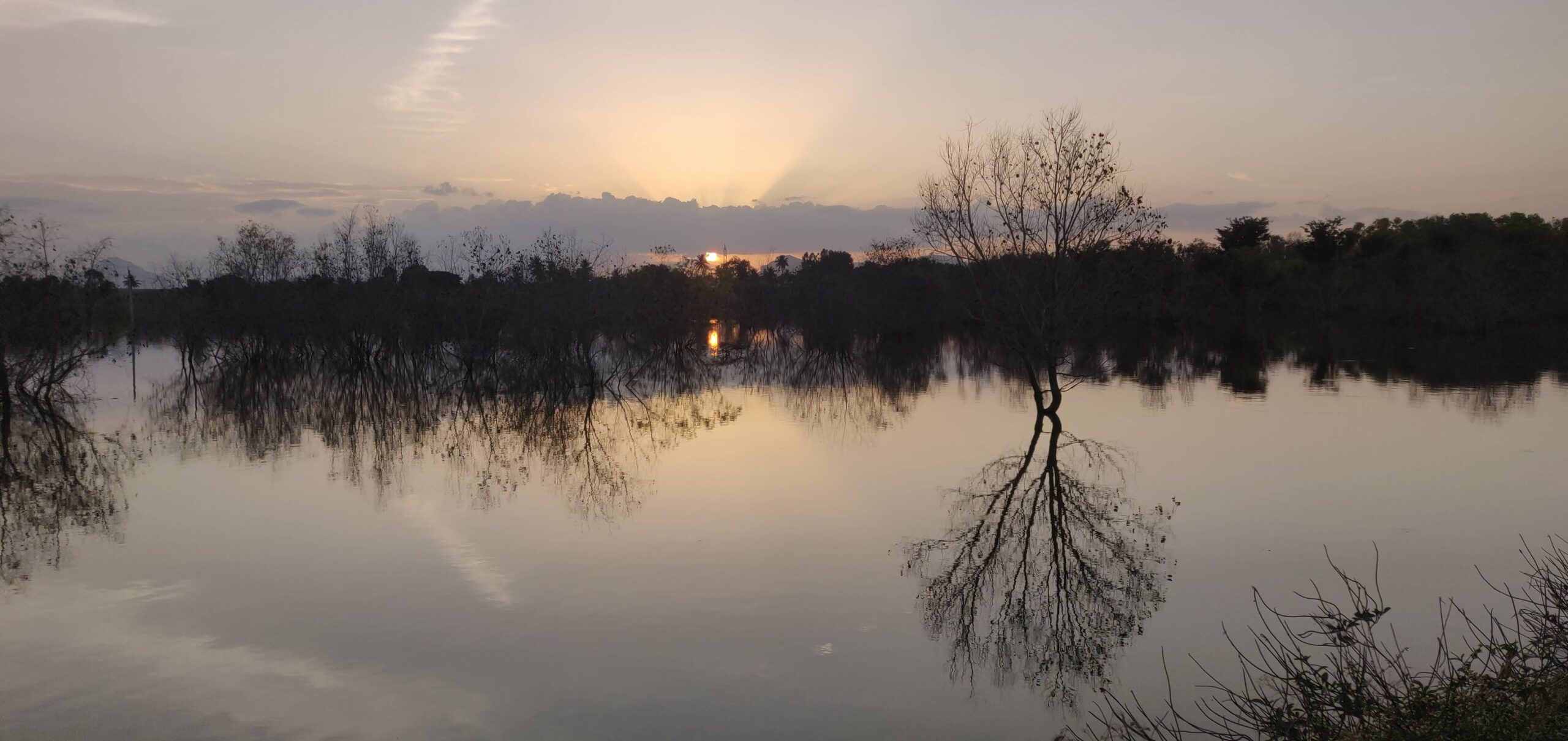
We are a part of nature, not separate from it. We are made from the same stuff that all life and even inanimate things are made of. It is high time we recognise that. Let us not cut the branch of the tree on which we sit.
By jaya