
If you have ever felt happy listening to a birdcall or seeing a flash of crimson in a bleak desert landscape, you are in for some depressing news from the IUCN. Three out of five of the bird species have declining populations. IUCN’s latest Red List puts a third of the tropical birds on the threatened list and almost 66 pc of all bird populations are said to be on the decline.
The Red List is an inventory of the world’s species and their current conservation status, published by the International Union for Conservation of Nature (IUCN). Ranging from “least concern” or “near threatened”, to “critically endangered”, “extinct in the wild” and eventually “extinct” there are nine categories.
The latest list noted that 48,646 species out of 172,620 species of which 48,646 are threatened with extinction. Almost 28 pc of all assessed species are threatened with extinction with 41 pc amphibians, 21 pc reptiles, 26 pc mammals, 11 pc birds, 71 pc of cycads featured in the list. Six species have gone extinct, including a shrew, snail, a shore bird and two species of bandicoot and a tree.
While many of the species are threatened by mining, logging and hunting, climate change in particular is the dominant threat to tropical birds. With the heat rising beyond their mechanism to cope, these birds die from dehydration or hypothermia, with even the breeding being affected.
Besides the sheer joy they bring into our lives, birds are crucial in the web of life, playing roles like pollinator, seed disperser, pest controller and scavengers.
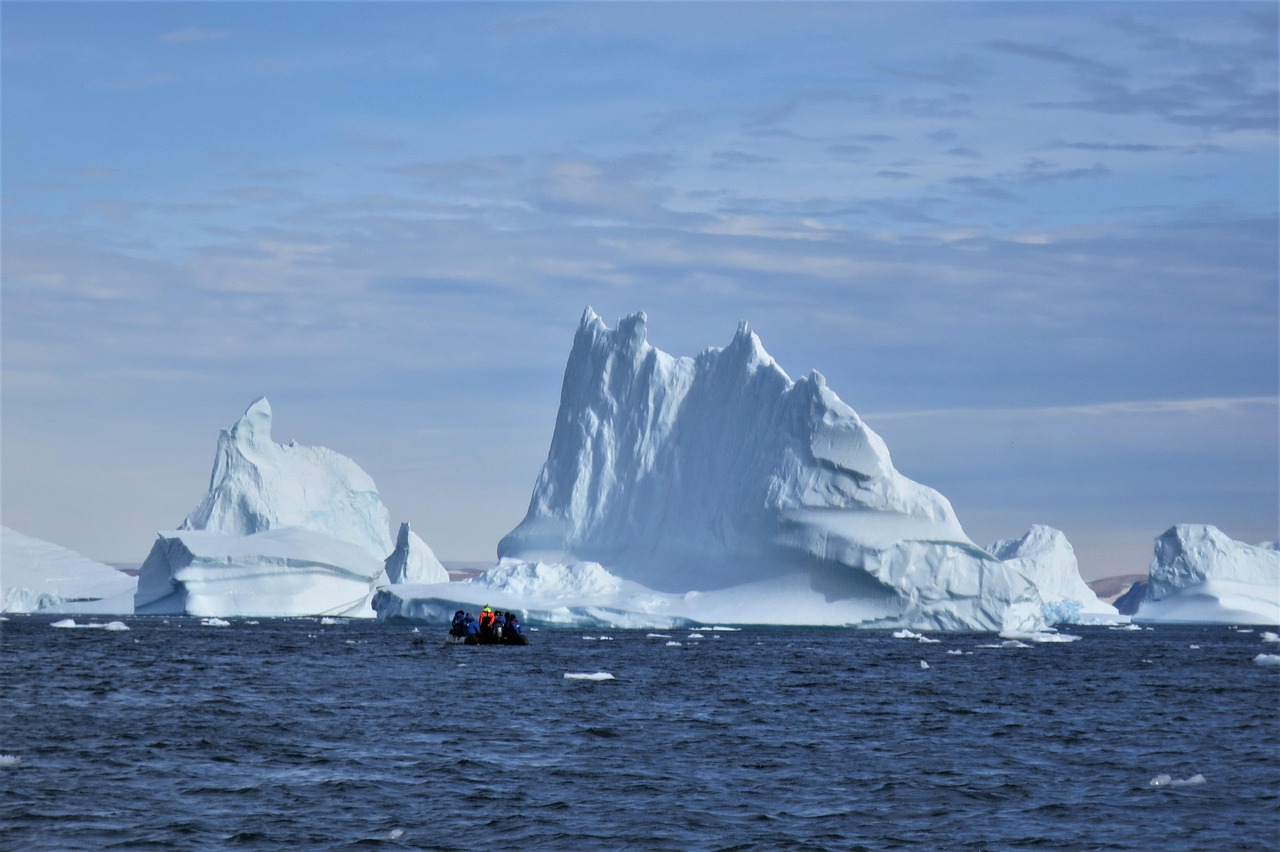
Not only birds, some of the resident harp seal and bearded seal populations in the Arctic region have moved up from Least Concern to Near Threatened. The hooded seal is now endangered! As the ice cover thins from the warming, the seals find it difficult to breed and raise pups for which they need the sea ice. The feeding is affected and the vanishing ice also brings in humans who pose even more risk to the seals and other species.
The Trump administration is opening up the entire coastal belt of Alaska’s Arctic Wildlife refuge to drilling! With claims of around 26 pc of worlds’ unexplored oil and gas reserves, nations like the US, Canada, Norway, Russia and Denmark are in various stages. Russia in fact was responsible for a major oil spill two decades ago. Unlike the Antarctica with solid earth beneath the ice, the Arctic region is mostly water an hence there are no binding international treaties here. A UN Convention on the Law of the Sea provides guidelines but not all Arctic nations have ratified it. Big private players like ExxonMobil, Gazprom and Statoil are major players hailing from the US, Russia, Norway and Italy. With the promise of so much untapped fossil fuels, there is no hope that any of them will desist in drilling.

Not only will this have an impact on the polar ice, but the dangers of oil spills to wildlife is unimaginable.
Once the seals go, the bears will starve for food.
Polar bears, walruses and seals will probably the species that will disappear fastest given that the warming in the region is four times that of the global warming elsewhere. This is primarily due to the amplification from the melting of ice that used to reflect back a large portion of the sunlight falling on the region. The effect of reduced air pollution also is said to aid the warming.
Amidst all the grim news is a beacon of hope in the recovery of green turtles whose status has improved from endangered to least concern, thanks largely to conservation measures.
Finally, if we care, we can make an impact. But for that to happen, there is need for more intensified conservation measures everywhere. It all begins with awareness and the willingness to act, be it as an individual or groups or nations.
Trends however indicate that not enough is being done if we are to save the many species. When you next hear the bulbul’s song amidst the vehicular traffic noise, listen carefully. You never know when these will enter the endangered list.
By Jaya