
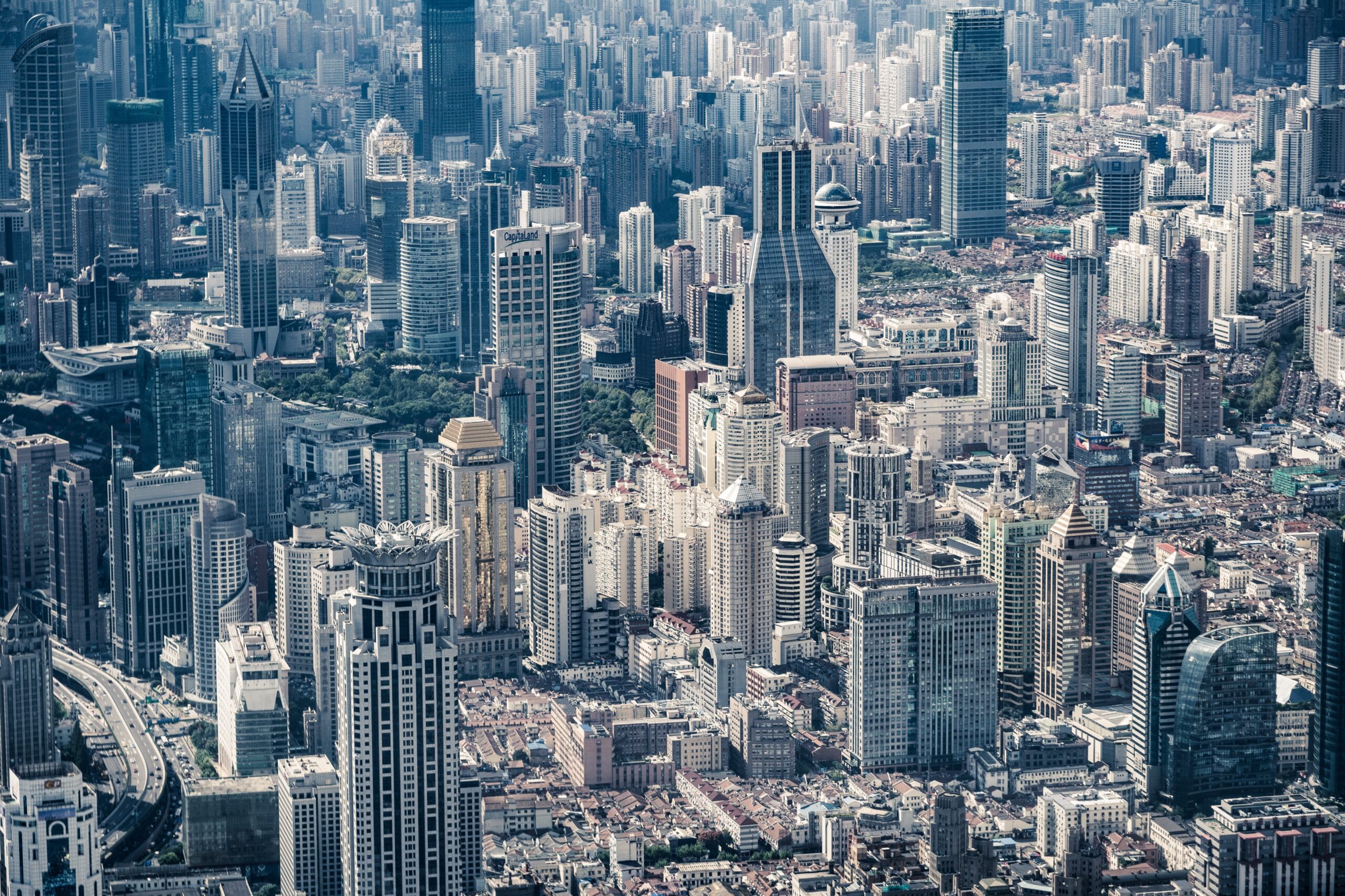
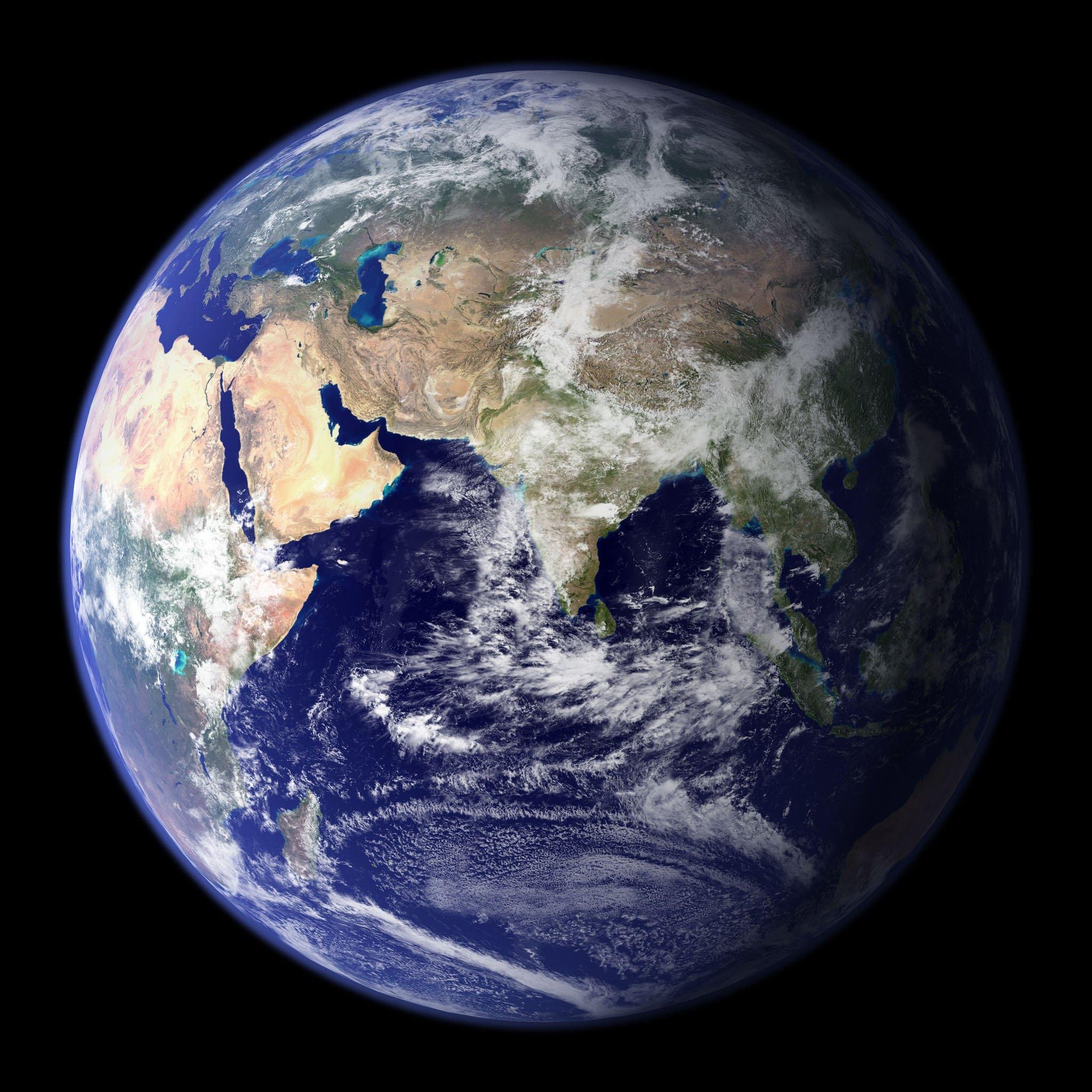
The talk in my city Bengaluru (sorry, the image above is some other city) these days is mostly on the climate. We take it a day at a time. Every new day presents an opportunity to compare the heat with the previous day. And take solace if today was better. But fretting we are! And also, seemingly puzzled that the Garden City is beating the other metros in this matter too. The seniors among us harp upon the good old days when the city boasted of no AC — when summers were cool and winters cold.
Actually there is nothing to be surprised by the rising heat every year. Global warming is one aspect but more directly, there is the local heat island we have created. Off with the trees and lakes, top up the city with generous doses of concrete and fill the roads with vehicles. It is a clear recipe for the heat conditions we are seeing today. No one, save a handful here and there, protested. The extent of damage is evident from a study done by Indian Institute of Science (IISc).
Pixabay pic by Mariya
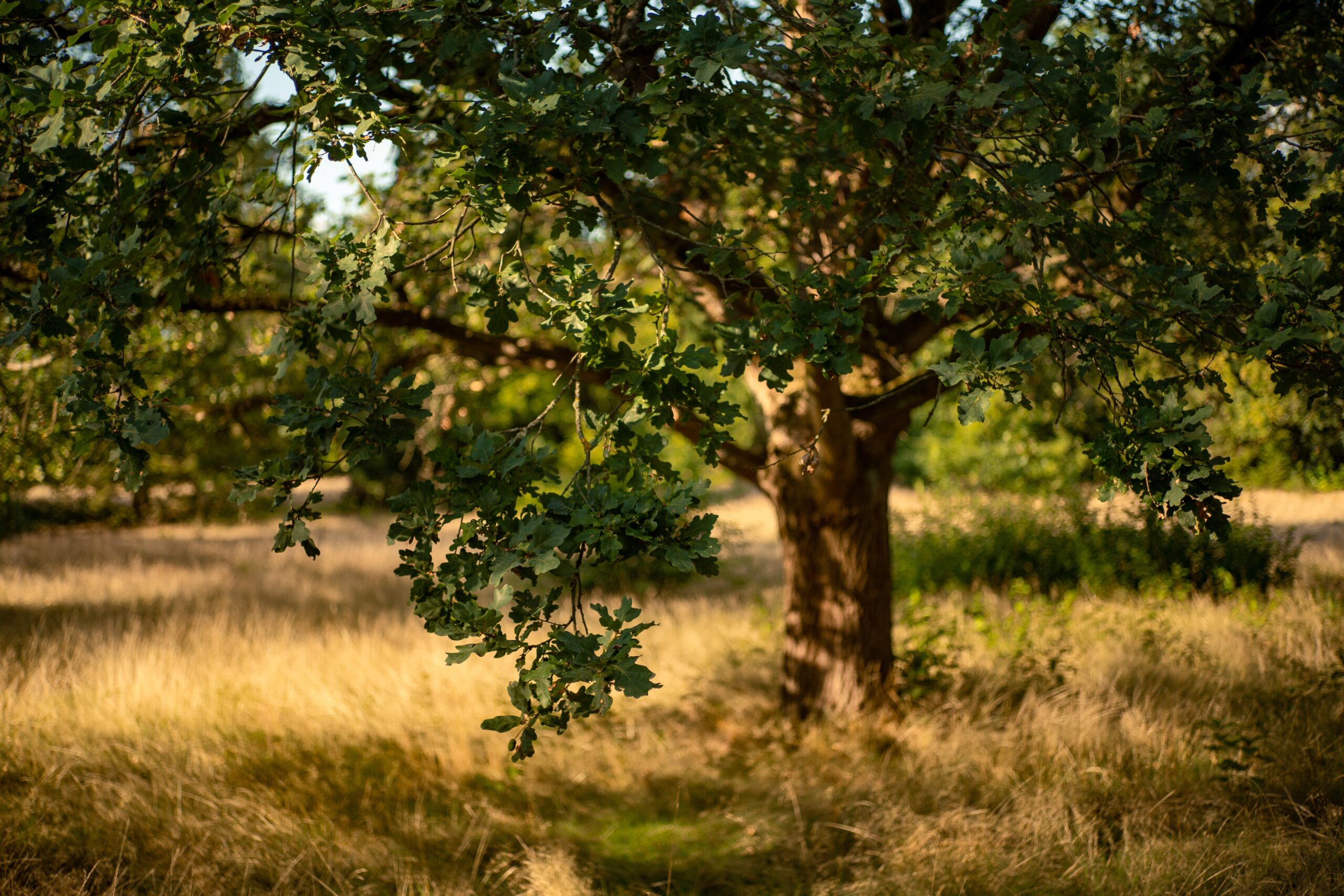
In the last 50 years, the city lost 88 pc of its green cover and 79 pc of its water bodies and concretisation went up by 1000 pc!! This concrete on the roads and buildings absorbs the heat and radiates it. The green cover is less than 3 percent at present, down from 68 pc.
Urban trees provide shade, changing airflow and transpiration which help to reduce temperatures, with transpiration effectively cooling the area by releasing water vapour. For details check a paper published in ScienceDirect, titled ‘Sustainable Cities and Society’.
The value of green cover is lost on both the educated and illiterate masses of the city. It was a well-studied fact that the ambient temperature in the IISc campus was 2-2.5 deg C lesser than the surrounding areas, due to its dense tree canopy. Sadly even this tree cover did not escape the onslaught of concretisation as seen with the recent flurry of building constructions in the campus. The same apathy of the masses prevailed here too.
Vehicles on the rampage!
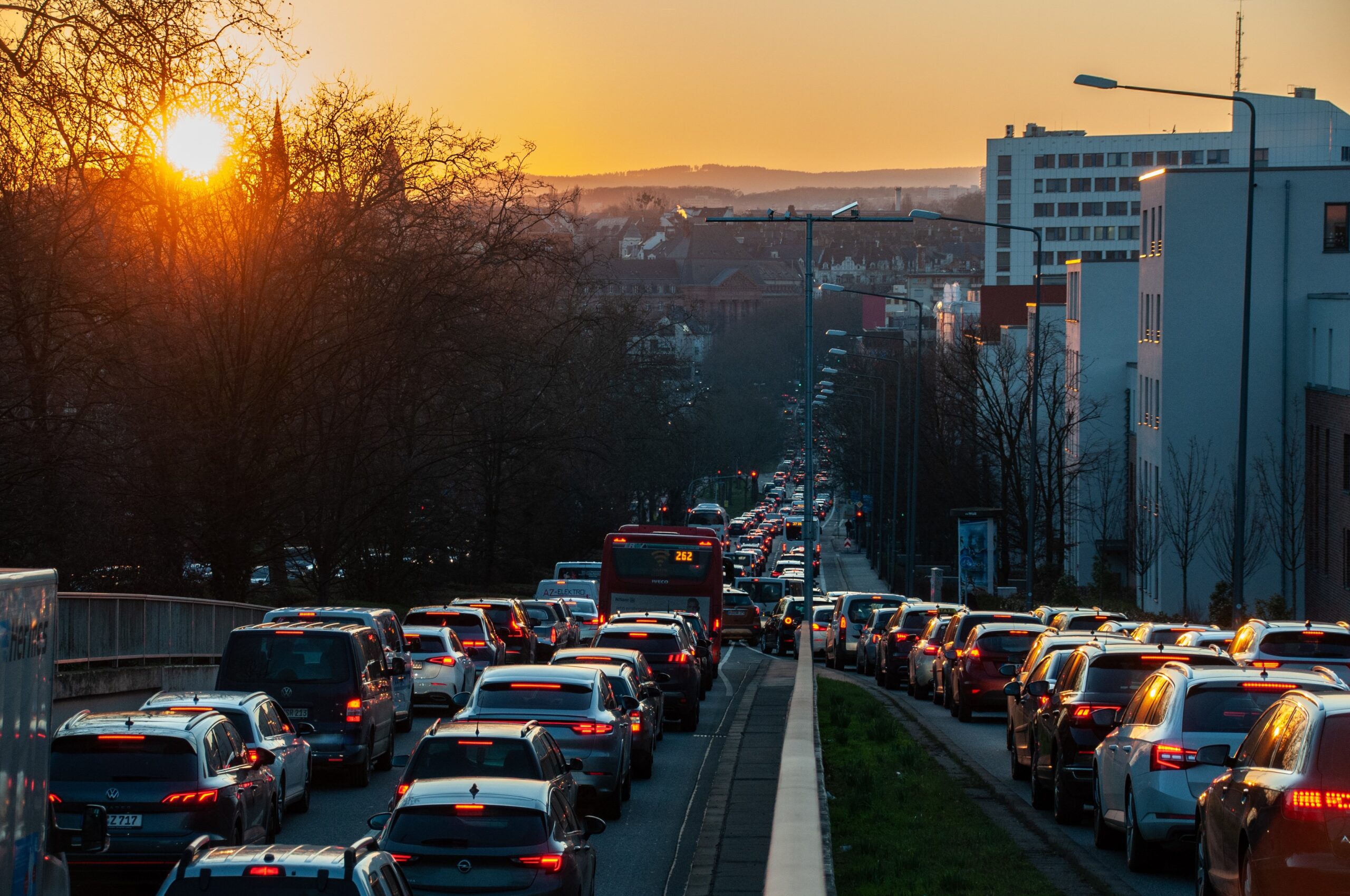
Add to this the ever increasing number of vehicles on the road with the exhaust further compounding the heat and the recipe is almost done. There were around 86 lakh two-wheelers and 25 lakh cars in the city as of March this year, with another 7 lakh including cabs and autorickshaws. The total crossed a crore this year in February, with around 2000 vehicles registered every day! That is for a population of around 1.4 crore! Besides the contribution to global warming from the emissions, vehicle exhaust directly heats up the air.
In comes another magic ingredient – air conditioning. What once was unthinkable in the city is now a necessity — one that further raises ambient temperature by throwing out the heat from within. AC sales have gone up drastically in Bangalore, with up to 50 pc rise in enquiries and sales in 2024!
A survey done last year by the think tank iForest (International Forum for Environment, Sustainability and technology) says that AC will become the highest greenhouse gas emitting appliance due to refrigerant leakage and unnecessary refilling, along with electricity use. Emissions from AC units in the country were calculated to be around 156 megatonnes of carbon dioxide equivalent in 2024. This will go to 329 Mt of CO2 equivalent by 2035.
The AC feedback loop
Globally ACs are refilled only once in five years but in India this is done once in two years while 40 pc ACs are refilled every year, said the report. It was also found out that consumers are aware of energy efficiency but not aware of the refrigerants and environment costs. The report called for a lifecycle refrigerant management that could help avoid up to 650 Mt of emissions in the coming decade.
The danger bells have already started ringing on the global warming front. There are signals that we may be near a few tipping points of some ecosystems that could speed up the process and set the planet on the road to a 3-4 degree rise in temperature by the end of the century. This could spell danger for the most basic of life requirements – food and water, besides a rise in droughts, floods, heat waves and eventual collapse of some ecosystems.
Combined with urbanisation, global warming is leading to warm nights too. Indications are that a strong El Nino effect this year could see the hot days get hotter and also significantly weaken the Indian monsoons, affecting crops and power generation.
Uncontrolled urbanisation of cities will add to the global warming. It is not enough to adapt to the heat with ACs which will only further exacerbate the heat. We need to mitigate with a combination of steps. Both the government and residents have roles to play.
Work ahead
The government – all the civic bodies and forest department – needs to green our city/cities through a slew of measures including a strict moratorium on tree cutting and lake encroachment, encourage rooftop gardens as well as vertical gardens wherever possible. Borrowing a leaf from Singapore that combined rooftop cool paints, wind corridors and vertical gardens to bring down temperature and AC use, our authorities must encourage and incentivise some of the measures to make the city liveable in summers.
The forest department must come up with aggressive plans for urban forestry that can restore the Garden City title to Bengaluru. The government must work on strengthening public transport and explore a bus lane once the fleet is increased. That should be the vision rather than merely adding roads over roads or widening roads, both from the urban heat perspective and global warming.
However, none of the above is news. Inaction in the right direction is the challenge. That is where residents have a bigger role to play in holding the government accountable for any deviation. The worst has been done, but we can work to salvage what is left. Let us vote for the party that promises development that includes environmental well-being.
Each and every one of us must ensure that no more trees, lakes or open spaces are sacrificed in the name of development. Be vigilant and ready to do a chipko! Join hands with your RWAs. Use social media to hold the civic authorities responsible. There are already many citizens who are offering their time for community civic work. Just scroll once on a few names in Ig and you will find the rest. Join them. Or simply fret over days that will only get hotter. To tweak a famous quote, the greatest threat to life on our planet is the belief that someone else will save it.
By Jaya
3 Comments
Hope is the only one thing left to build a sustainable and conscious living and connecting to the roots and we must all thrive to sow a seed of hope for a better tomorrow
Well written article, thought provoking about the price we have to pay for rapid urbanization without considering the environmental issues. An eye opener regarding the price we have to pay when pursuing development ignoring the delicate balance of nature
Jaya, its so well written and heartbreaking to see this situation of Bangalore.
Regarding Bus lanes, hope it works out in Bangalore. Bus lanes in Delhi didnt succeed but successfully run in Ahmedabad.
Basically I think it is a reflection of two cultures. One likes to save while the other likes comfort and to show off so they to use their big cars.
Delhi has a great Metro system and lots of middle class people use it regularly and it runs full unlike what I hear of Bangalore Metro.
And Bangaloreans have got money and they are going on same path as Delhi folks.
The sad part is seeing huge cars with just the Driver ( owner) or Chauffeur driven cars with just the owner passenger.